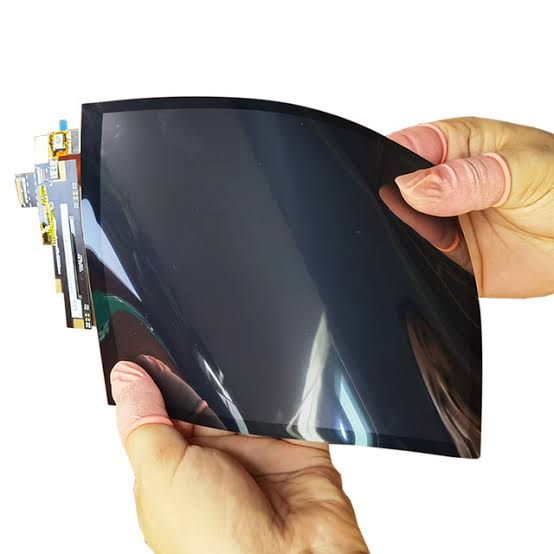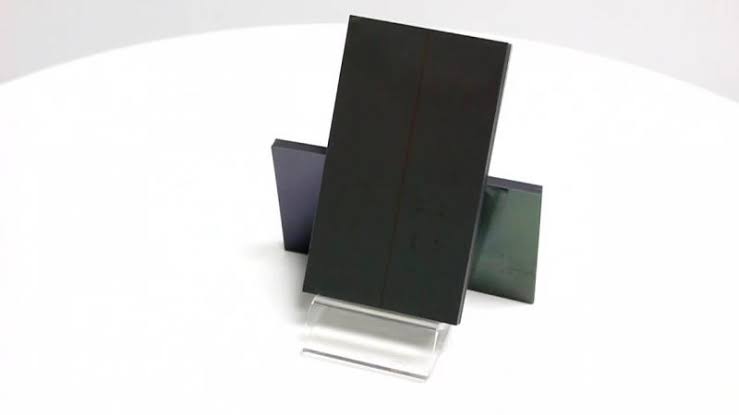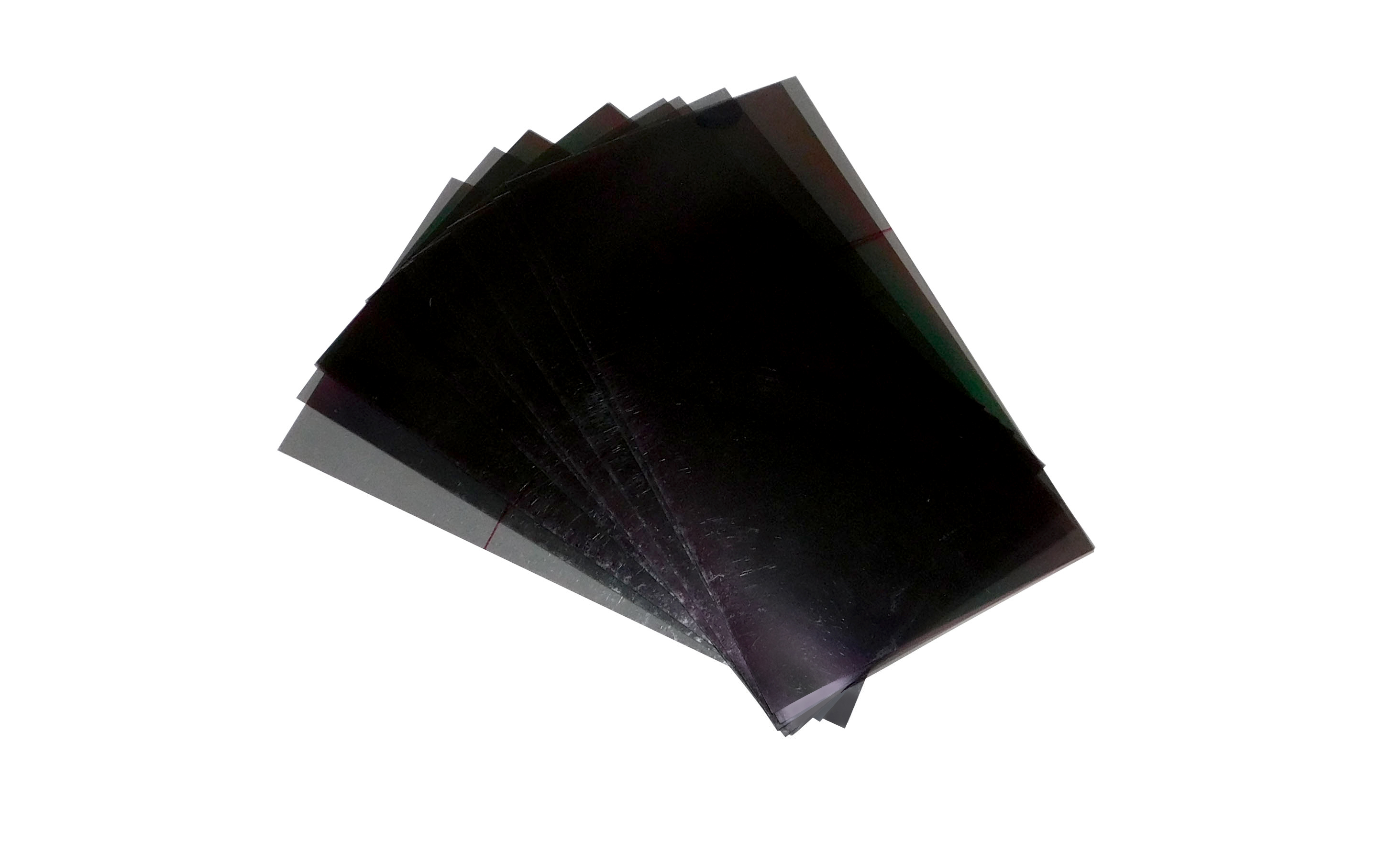
Polarizer films are essential components in OLED (Organic Light-Emitting Diode) displays, as they help control the polarization of light emitted by the OLEDs. Here are some key points related to polarizers in OLED displays:
1. Polarizer Function: Polarizer films in OLED displays serve to control the orientation of light waves, allowing them to pass through the display in a specific direction. This is crucial for creating a clear and vibrant image on the screen.
2. Types of Polarizers: There are different types of polarizers used in OLED displays, including linear polarizers and circular polarizers. The choice of polarizer depends on the design and requirements of the OLED display.
3. Circular Polarizers: Circular polarizers are commonly used in OLED displays to enhance display visibility, reduce glare, and improve overall image quality. They are often used in applications where screen readability in various lighting conditions is critical.
4. Durability: OLED polarizer films should be durable and resistant to wear, as they are a critical component in the display. They need to maintain their optical properties over time for the display to function correctly.
5. Compatibility: Polarizers are designed to work with specific OLED displays, and their dimensions and specifications must match the screen they are intended for.
6. Optical Clarity: High-quality polarizers for OLED displays should not introduce distortions or color shifts in the displayed content. They should maintain optical clarity to ensure a high-quality viewing experience.
Polarizers play a crucial role in OLED technology by controlling the polarization of light, which impacts display quality and visibility. Manufacturers of OLED displays work closely with polarizer suppliers to ensure that the polarizers used meet the specific requirements of their products.